Juan Preciado
Pedro PáramoJuan Preciado is the son Dolores Preciado sends to Comala in search of Pedro Páramo, the father he has never known. His arrival begins as a promise made beside his mother’s deathbed and becomes a journey sustained by hope; its outcome is not a reunion but death among the village’s whispers. From beyond that outcome, Juan narrates his own fear and death, so the search for a living father becomes a passage into a community where the dead still speak.
Identity and Departure
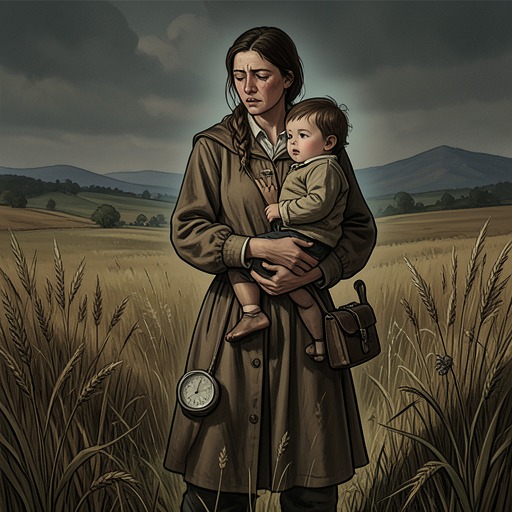
Juan’s journey begins with his mother’s account of Pedro Páramo: she names him as Juan’s father, says he lives in Comala, and suggests that he will be pleased to meet his son. As Dolores is dying, Juan presses her hands and promises to go. He is willing to promise whatever she asks, and after her hands have become lifeless he still has difficulty letting them go. The physical parting makes the promise more than a practical instruction: it binds his departure to the last exchange between mother and son.
Dolores also gives the mission a sharper edge. She tells Juan not to demand anything beyond what is owed, and identifies Pedro’s long neglect of them as a debt to be made costly. Juan agrees, but his later account distinguishes the promise he gave his mother from the reason he eventually travels. He says that, until recently, he did not intend to keep it. His eventual departure is therefore neither immediate obedience nor a settled plan for confronting Pedro; it follows a change in what he allows himself to imagine.
Hope and the Journey to Comala
Juan describes that change as a growth of dreams and illusions. He builds an entire world around the hope represented by the man called Pedro Páramo, his mother’s husband. That hope supplies the motive for going to Comala, though it is not proof that the meeting he imagines will happen or that Pedro will answer the claims Dolores has made. Juan’s own explanation, given after his death, makes the journey’s emotional foundation plain: he was guided by illusions.
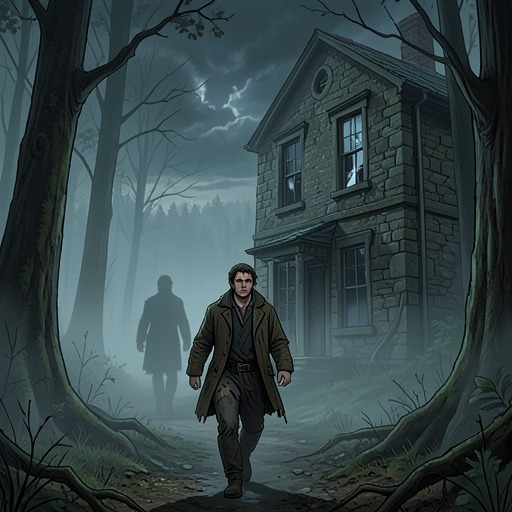
The route and weather frame the journey as a descent into a place already charged with opposing meanings. Juan travels during the burning August wind, amid the corrupt smell of rotting soapberry trees. The road rises for the person leaving and falls for the one arriving; its direction depends on which way the traveler is moving. This reversal gives physical form to the journey’s change of perspective. Juan arrives expecting to find his father, but the path leads him into a Comala whose apparent promise and actual condition cannot be reconciled by hope alone.
That expectation is connected to the picture Dolores gives him of the village. In her description, Comala is a place she loves, set among trees and plants and holding memories like a small container. Its dawn, morning, midday, and night seem alike; the wind changes the color of things and makes life seem like a murmur. The softness of this remembered image stands in marked contrast to Juan’s later experience of a plaza with no visible people and a sound that seems to come from a crowd. The contrast shows how the place he approaches through his mother’s memory is not the place his senses can securely grasp.
Death Amid the Whispers
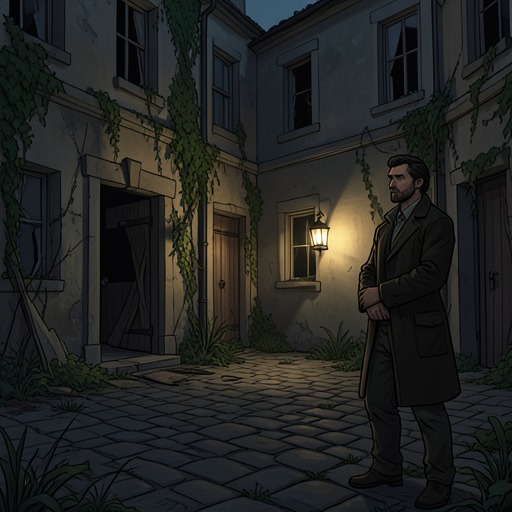
Juan’s posthumous account supplies the circumstances of his death. He says that he reached the plaza and leaned against a pillar under the porticoes. Although he saw no one, he continued to hear the hubbub of a multitude, an even, senseless noise like wind murmuring through unseen branches. The sound seemed to gather around him like a swarm. Within it he distinguished faint words calling on him to pray for the speakers, and his soul froze. He says he could go no farther and that this was why he was found dead.
His last visual memory is of foam-like clouds whirling above him, then soaking him in their turbulence as he disappeared into dark vapors. That image marks the end of what he remembers seeing, while the plaza scene gives his own account of what caused his collapse. Fear, rather than a straightforward physical shortage of air, is central to his explanation: Juan says that too many fears had accumulated for him to bear, and that when he faced the murmurs his nerves gave way.
Dorotea challenges a different explanation of his death. She recalls finding him in the plaza, far from the house of Donis, with Donis beside her; they dragged Juan into the shade of the portico, where he was already stiff, and buried him. Because they had been able to carry and bury him, she rejects the idea that lack of air had killed him. Her recollection confirms that Juan was dead before their conversation, while his account identifies the whispers as the decisive terror. The exchange preserves both the practical facts of his discovery and the inward experience that he believes brought him down.
The Dead Man’s Voice
Juan narrates his death in conversation with Dorotea, addressing her by that name after checking what she is called. She replies that it makes little difference whether her name is Doroteo or Dorotea. The exchange is brief, but it places Juan’s story in a setting where identity and ordinary life continue to be discussed after death. Dorotea can report his discovery and burial; Juan can describe what he heard and felt. Neither voice simply cancels the other, and the difference between observable circumstance and remembered experience remains part of the account.
Juan’s role as narrator thus turns his failed search into testimony about Comala. He comes because his mother’s words and his own cultivated hopes make Pedro Páramo seem like the destination; he dies before that hope can become the meeting he anticipated. The murmuring voices that stop him also become the subject he can speak about afterward. His journey ends physically in the village, but his narrative continues from beyond the grave, joining the search for a father to the presence of the dead whose pleas and whispers fill Comala.